How to Prevent Sneaker Yellowing and Oxidation With Smarter Storage
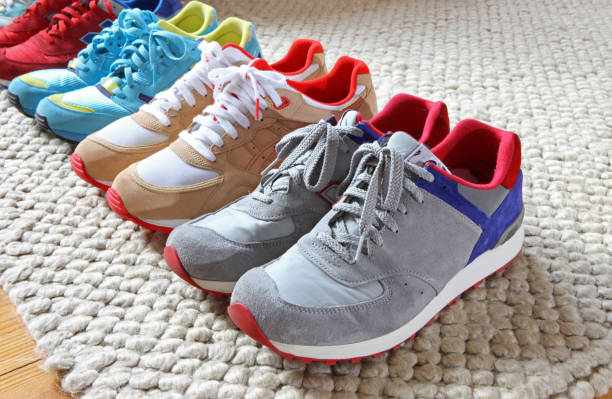
Yellowing midsoles and chalky oxidation marks are among the most frustrating signs of aging in a sneaker collection. They appear slowly, often on pairs that have been worn lightly or stored away for seasons, and they rarely respond to simple cleaning. The cause is not dirt alone. Heat, ultraviolet light, humidity, airborne pollutants, and prolonged contact with certain plastics and papers can accelerate chemical changes in rubber, foam, and adhesives. Smart storage is therefore not a decorative afterthought. It is a preservation strategy that controls the environment around each pair and reduces the conditions that turn clear rubber cloudy and white foam amber.
The first line of defense is light. Ultraviolet radiation breaks down stabilizers in rubber and foam, and even indirect sunlight can contribute to yellowing over months and years. Display cases made from untreated glass or open shelving near a window may look dramatic, but they expose sneakers to the very energy that speeds oxidation. A better approach is to place shelves and cases away from windows, skylights, and strong artificial lights. When a display case is necessary, choose one with UV-filtering glass or acrylic and keep the interior lighting cool and intermittent. The goal is to see the collection without cooking it. Rotating which pairs sit on open shelves also limits cumulative exposure, especially for white and translucent models.
Humidity is the second hidden pressure. Damp air encourages mold in leather and fabric, weakens adhesives, and can leave mineral residue that creates a chalky bloom on rubber. Dry air is not automatically safe either, because overly dry conditions can make leather brittle and cause midsoles to crumble. A stable relative humidity between roughly forty and fifty percent is a sensible target for most collections. Silica gel packets can help in enclosed boxes and cases, but they must be renewed or recharged. Small hygrometers placed inside storage areas remove guesswork. Avoid storing sneakers in basements, laundry rooms, garages, or bathrooms where moisture swings are common. If a room feels damp, a dehumidifier is more effective than adding more cardboard.
Temperature matters as well. Heat accelerates chemical reactions, including the oxidation that yellows midsoles, and repeated temperature swings stress glues and foams. A cool, interior closet or a dedicated shelving area away from radiators, heating vents, and exterior walls is often better than a dramatic display near a sunny window. Boxes should not be pressed against heat sources or stacked so tightly that air cannot move. Some airflow around stored pairs helps prevent trapped moisture, but strong drafts that carry dust are not helpful. A quiet room with stable conditions is the practical ideal.
The materials that touch a sneaker matter more than many collectors expect. Original cardboard boxes can be acidic and may hold moisture or off-gas over time. For long-term storage, use breathable, acid-free boxes or cotton dust bags, and avoid sealing sneakers in non-breathable plastic. Plastic containers can trap humidity and fumes, while certain flexible plastics may transfer plasticizers or cause discoloration where they contact rubber and foam. If clear display boxes are used, keep them out of direct light and add ventilation or silica management. Acid-free tissue paper can support shape in collars and toes without staining, but newspaper and printed packing paper should stay away from light-colored uppers.
Display shelves and cases should be treated as controlled microclimates. Glass cases with tight seals can trap moisture, so monitor them with a hygrometer and open them periodically in stable weather. Open shelves collect dust, which can abrade surfaces and settle into seams; a soft brush and gentle vacuum are better than aggressive wiping. Shelves should support the full sole, not just the heel, to prevent midsole warping. For high-value and vintage pairs, a closed case with UV-filtering glazing, stable humidity, and minimal handling is worth the space. For everyday rotation, simple breathable boxes on a shaded shelf often outperform elaborate displays.
Finally, prepare sneakers before storage. Clean and dry them completely, because trapped dirt and moisture become a treatment problem later. Remove crumpled paper and replace it with acid-free support. Loosen laces slightly to reduce pressure on the upper. Keep pairs away from rubber bands, foam inserts, and plastic wraps that can leave marks. Check stored pairs seasonally for condensation, dust, or early signs of yellowing. With light, humidity, temperature, and contact materials under control, boxes, shelves, and display cases become preservation tools rather than passive furniture. The collection stays sharper, and the midsoles stay closer to the color they were meant to be.