The Adidas Samba: A Legacy of Unintended Style
Few shoes in the history of sportswear can claim a lifespan as long and culturally diverse as the Adidas Samba. Born on the muddy fields of indoor football pitches in the late 1940s, this low‑profile trainer has quietly outlasted countless trend‑driven silhouettes, evolving from a functional piece of athletic equipment into a global style staple. Its journey reveals not only the technical priorities of post‑war Adidas but also the unpredictable ways in which a design can transcend its original purpose.
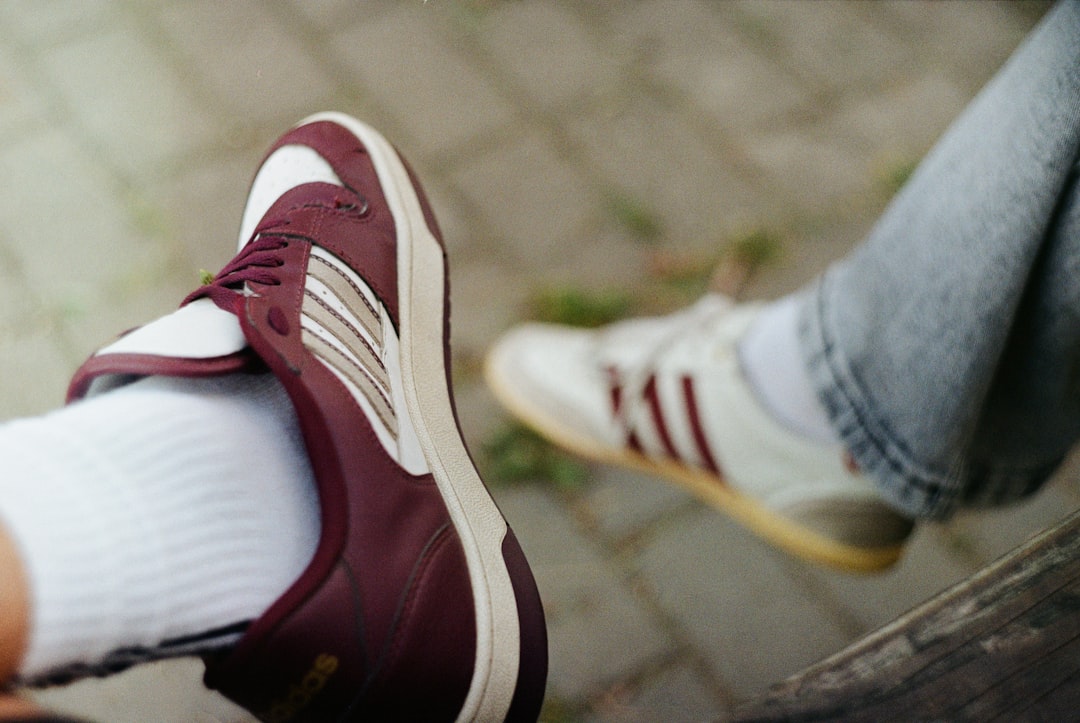
The Samba’s genesis lies in the specific needs of indoor football players who required a shoe that could grip wet, hard surfaces without damaging wooden floors. Adidas founder Adi Dassler responded with a gum rubber outsole that offered exceptional traction, a suede toe cap for durability in the toe‑drag zone, and a lightweight construction that allowed quick direction changes. The distinctive three stripes were applied not merely as branding but as a structural reinforcement of the upper, a functional detail that later became the shoe’s most recognisable feature. Released in 1950 under the name “Samba,” the shoe quickly gained a following among players in Germany and across Europe, becoming the de facto trainer for indoor football leagues.
Through the 1960s and 1970s, the Samba stayed true to its football origins, but subtle changes in materials and production methods reflected Adidas’s broader shift toward mass production and international distribution. The original leather upper gave way to a combination of smooth leather and suede, adding a touch of comfort without sacrificing durability. The gum sole remained constant, a testament to its effectiveness. During this period, the Samba also began appearing on the feet of athletes in other sports, particularly handball and hockey, where the same grip and low profile were equally beneficial.
The 1980s marked a turning point. As Adidas faced fierce competition from Nike and Reebok, the brand diversified its product lines and began marketing heritage models to a wider audience. The Samba was rediscovered by British football casuals—subcultural groups who prized understated, high‑quality footwear as a badge of street credibility. Rather than wear flashy new trainers, these fans embraced the Samba for its muted colours, superior build, and connection to the golden era of European football. This subcultural adoption propelled the shoe from the locker room to the terraces, and eventually to the high streets of London, Manchester, and beyond.
By the 1990s, the Samba had achieved a paradoxical status: simultaneously a retro icon and a functional sports shoe. Adidas capitalised on this by reissuing the model in original colourways alongside limited‑edition collaborations. The shoe gained traction in skateboarding culture as well, where its flat sole and sturdy construction made it a natural fit for board feel and ollie control. Skateboarders, much like the football casuals before them, appreciated the Samba’s discreet appearance—it did not scream for attention yet performed exceptionally well.
The twenty‑first century has seen the Samba’s most dramatic expansion. Adidas recognised the value of its heritage models during the “retro” boom of the 2000s and began positioning the Samba alongside the Stan Smith and Superstar as a cornerstone of the Originals line. Fashion houses and designers took notice. Collaborations with brands such as Wales Bonner, Palace, and Gucci injected fresh energy into the classic silhouette, often playing with colour, pattern, and material while preserving the core DNA. The Samba became a favourite on runways and in street style photography, worn by models and influencers alongside tailored trousers and oversized coats.
What makes the Samba’s longevity remarkable is that it never underwent a radical redesign. The shoe that left the factory in 1950 is, in essence, the same shoe sold today: the same low profile, the same gum sole, the same suede toe cap, the same three stripes. Its evolution has been one of refinement rather than reinvention. Leather has improved, stitching has become more precise, and the fit has been subtly updated for modern foot shapes, but the visual identity remains unchanged. This consistency has given the Samba an authenticity that trend‑driven trainers lack.
From a technical perspective, the Samba’s gum rubber outsole remains one of the most effective grip solutions ever devised for indoor surfaces. The herringbone pattern, combined with a slightly convex profile, provides multidirectional traction without being overly aggressive. The padded tongue and collar, though simple by today’s standards, offer adequate comfort for both athletic and casual wear. The shoe’s low weight—typically under 350 grams—adds to its versatility, making it suitable for everything from a walk in the park to a game of five‑a‑side.
Culturally, the Samba embodies the idea that great design does not require constant novelty. It has been worn by football legends, skateboarders, punk rockers, art students, and runway models. Each community has interpreted the shoe in its own way, layering meaning over a simple functional object. The Samba’s story is a reminder that sometimes the most enduring innovations are those that solve a specific problem so well that they never need to be replaced.
As Adidas continues to celebrate its archives, the Samba stands as a testament to the power of thoughtful, purpose‑driven design. It is a shoe that was never meant to be a fashion statement, yet became one precisely because it never chased fashion. In a world of rapid product cycles and planned obsolescence, the Adidas Samba endures as a quiet monument to doing one thing exceptionally well, for decades on end.
Articles