
The Great Balancing Act: Lightweight Flyknit Versus Sturdy Leather in Sneaker Construction
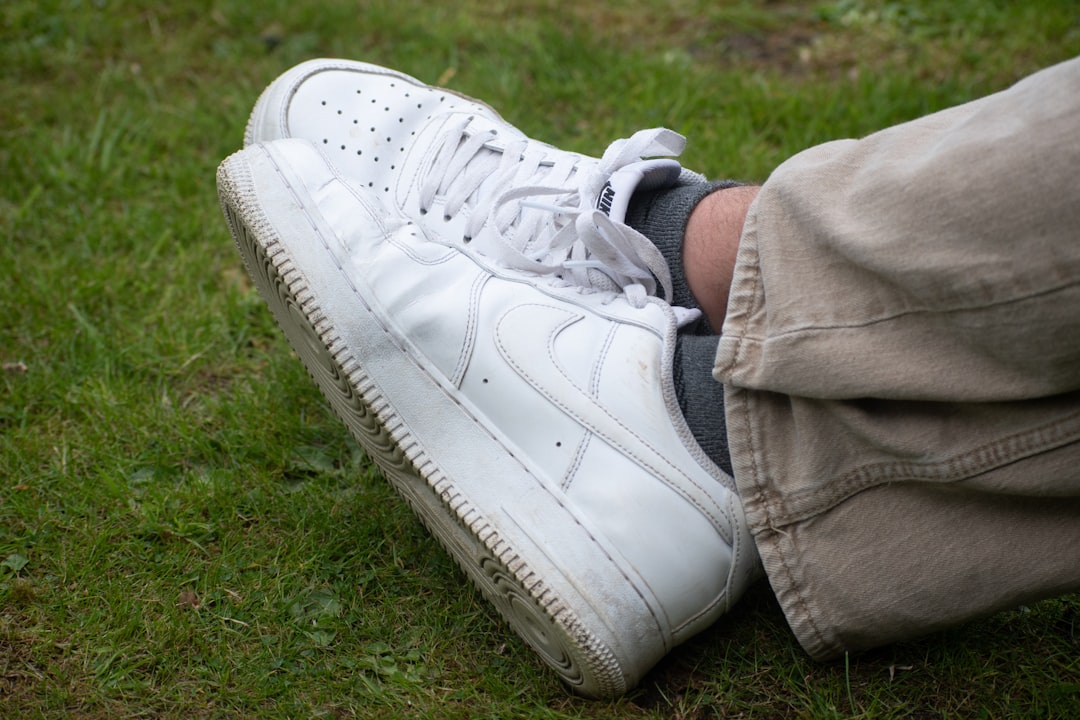
The modern sneaker landscape is defined by an ongoing tension between two competing ideals: the quest for featherlight speed and the demand for rugged, long-lasting durability. This dichotomy plays out most dramatically in the material choices that underpin a shoe’s upper construction. On one side stands the wave of engineered knit textiles, led by Flyknit and Primeknit, which promise barely-there weight and sock-like conformity. On the other side sits the legacy of full-grain leather, suede, and reinforced synthetics that have built the reputations of iconic Hall of Fame models. Understanding the trade-offs between these approaches is essential for any enthusiast looking to match a sneaker’s build to its intended purpose, whether that is pounding pavement on a daily commute, chasing a personal best on the track, or curating a collection that ages like fine wine.
The most immediate differentiator between lightweight knit construction and sturdy leather panels is, of course, the sheer weight on the foot. A typical pair of Nike Flyknit Racer or adidas Ultraboost weighing in at under ten ounces per shoe feels almost imperceptible during movement. This reduction is achieved by eliminating excess material; the knit upper uses precisely placed yarns to provide structure only where needed, while leaving large areas of breathable mesh that shed ounces. For runners and athletes, every gram saved translates to reduced metabolic cost over distance. The flexibility of these uppers also allows for natural foot splay and a more dynamic gait cycle. Conversely, a classic Air Jordan 1 in full-grain leather can tip the scales at nearly fifteen ounces per shoe, a weight that creates a sense of planted stability but also noticeable fatigue over extended wear. The leather panels require multiple layers, lining, and structural stitching to hold their shape, adding mass that can feel cumbersome during rapid lateral movements or long walks.
Yet weight is only part of the equation. The durability narrative flips almost entirely when comparing these material philosophies. Lightweight knit uppers, while extraordinary for breathability and flexibility, are notoriously prone to abrasion, pilling, and structural failure over time. The fine threads that compose the weave can snag on rough surfaces, and the lack of rigid support means the upper often loses its shape after months of repeated flexing. A sneakerhead who wears Flyknit Racers daily may find the heel counter collapsing or the toe box developing permanent creases within a year. In contrast, a well-made leather sneaker like the New Balance 990 series or the aforementioned Air Jordan 1 often improves with age. High-quality full-grain leather develops a patina, conforms to the wearer’s foot without losing structural integrity, and can be cleaned, conditioned, and resoled to extend its lifespan for decades. The trade-off here is clear: lightweight construction prioritizes immediate performance and comfort at the cost of a shorter usable life, while sturdy construction invests in longevity at the expense of initial heft.
This tension extends beyond pure physical weight into the realm of performance testing and environmental adaptation. In wet conditions, lightweight knit uppers absorb moisture rapidly, becoming heavy and waterlogged while losing their breathable advantages. Leather, especially when treated with a water-resistant coating, offers superior protection and maintains its shape even when damp. Similarly, temperature regulation favors the heavier side: leather insulates better in cold weather and shields from wind, whereas knit uppers excel in hot, arid conditions by allowing maximum airflow. For the collector or the performance tester, these factors influence not just comfort but the very wearability of a sneaker across different climates and seasons.
The engineering of midsoles and outsoles further complicates the weight-durability calculus. Brands often pair lightweight uppers with full-length foam or air units that reduce overall shoe weight but compress and lose responsiveness faster than denser rubber compounds. Conversely, sturdy sneakers frequently incorporate thicker rubber outsoles, reinforced toe caps, and stability shanks that add ounces but dramatically increase traction and wear resistance. The result is that a lightweight sneaker may feel like a springy cloud out of the box but lose its bounce after a few hundred miles, while a heavy, robust model might require a break-in period but reward the wearer with consistent cushioning for years.
For the sneaker enthusiast, making an informed choice between lightweight and sturdy construction is not about declaring one superior. It is about aligning the shoe’s material philosophy with the user’s lifestyle. The collector who values heritage, repairability, and aesthetic aging will gravitate toward leather and suede models that tell a story through their wear. The runner or casual wearer who prioritizes immediate comfort, energy return, and a barely-there feel will find their perfect match in the knit revolution. Both camps have their Hall of Fame representatives, and both continue to influence new designs that attempt to blend the best of both worlds—such as hybrid sneakers that use knit uppers with reinforced leather overlays, or high-tech materials like Cordura and Dyneema that offer lightweight strength. Ultimately, the great balancing act between weight and durability is not a problem to be solved but a spectrum to be explored, and every sneaker on that spectrum has its rightful place in the culture.
Articles